3 hr
Elephant Jungle Sanctuary Half-Day Experience with Thai Lunch
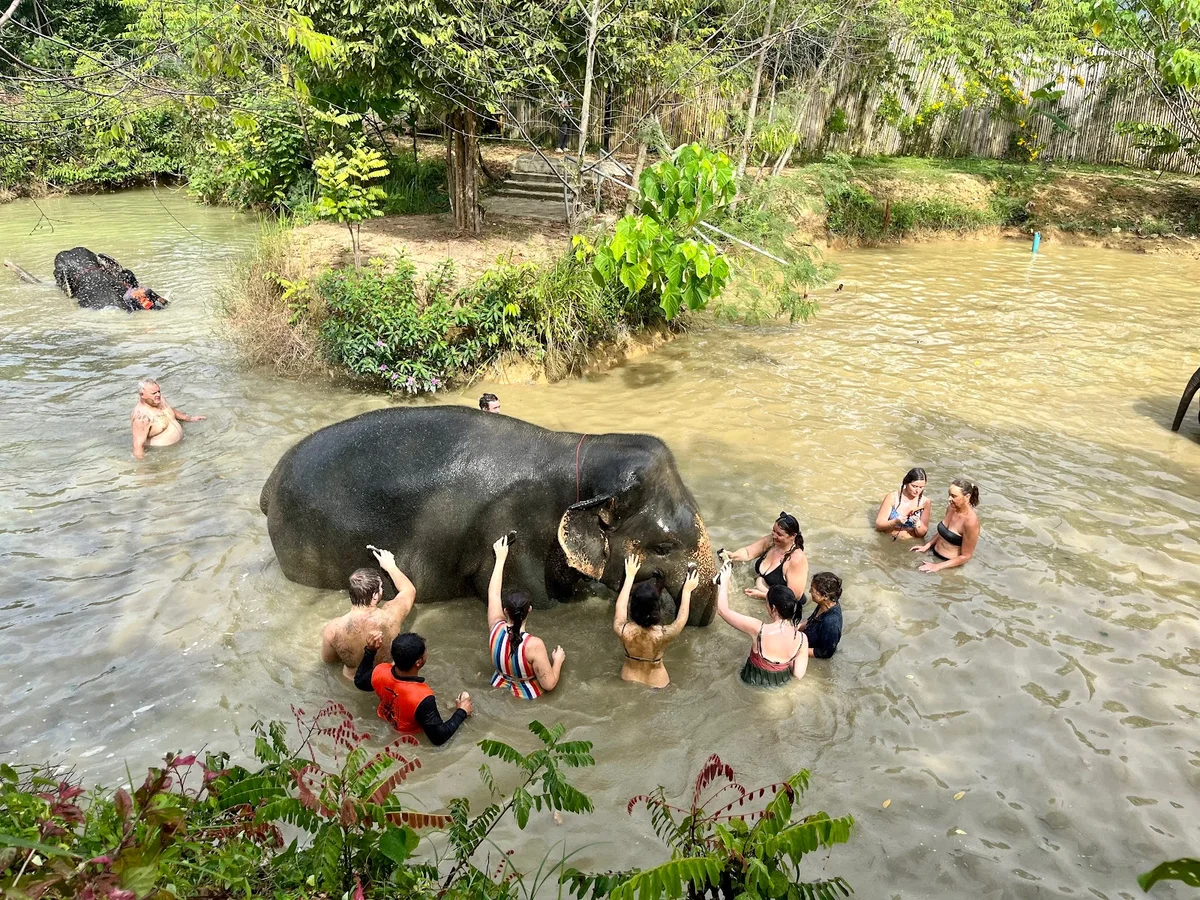
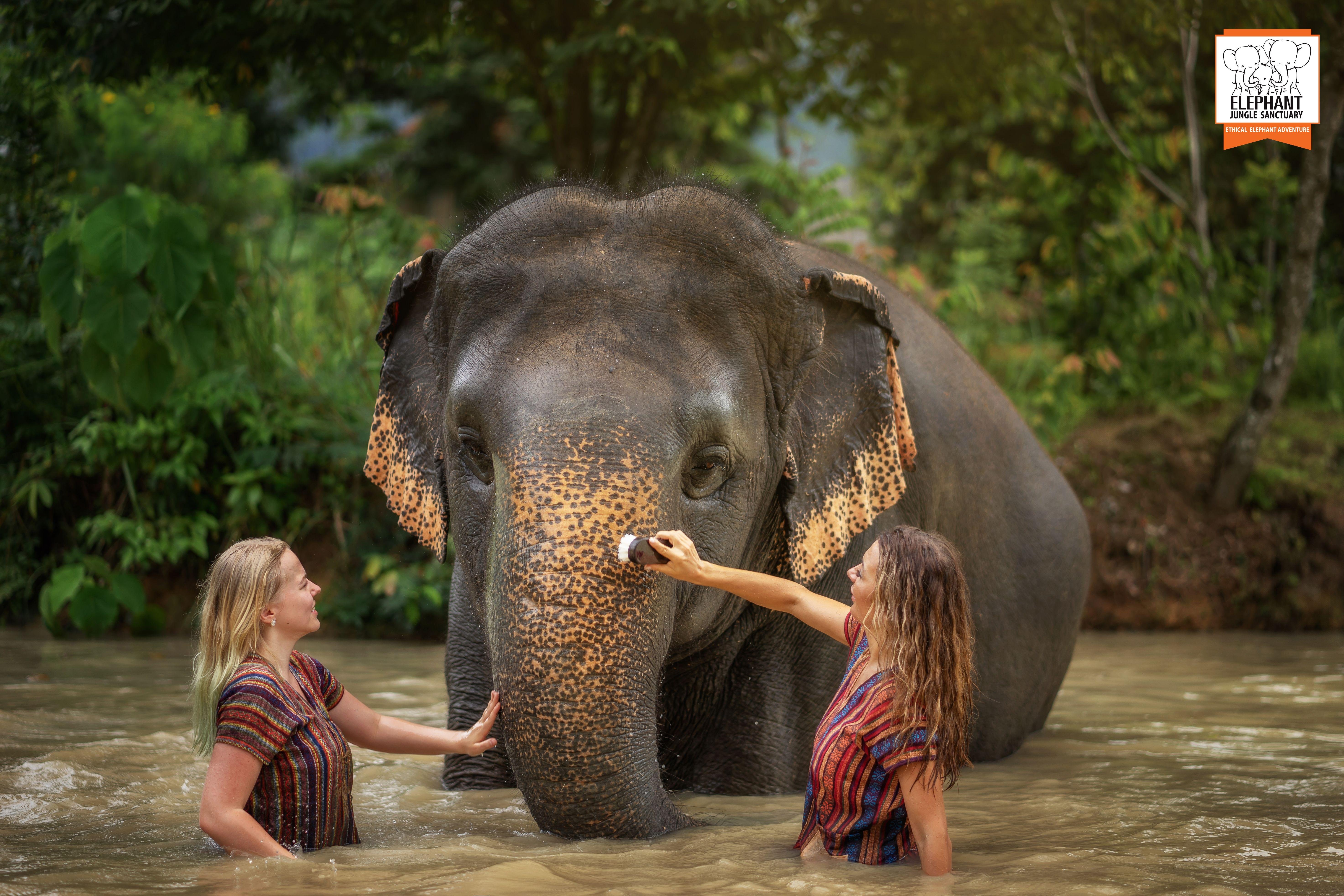
Spend three hours feeding, bathing, and playing with rescued elephants in their natural habitat
Reserve
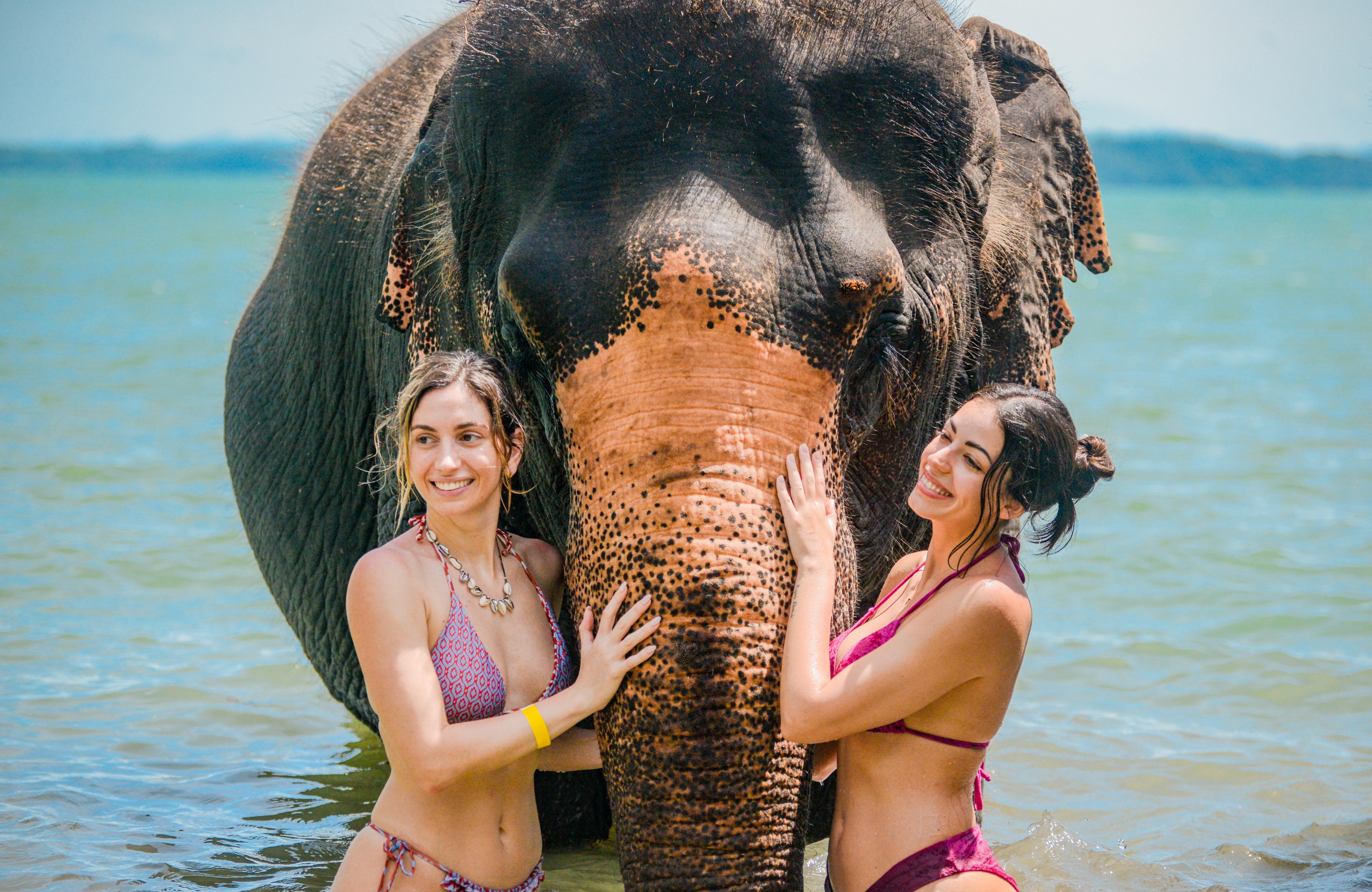
Cool mud on grey hide, clear water running after.
Hand-picked by our editors — only the best 5 experiences from 60 reviewed.
Verified partners for every tour, free cancellation where available, and instant confirmation on every booking.
3 hr
Spend three hours feeding, bathing, and playing with rescued elephants in their natural habitat
Reserve
1 hr
Hand-feed rescued elephants in their natural habitat and learn about their care from expert guides
Reserve
2 hr 30 min
Walk rescued elephants through jungle to a private beach, bathe them in ocean waters, and learn conservation care.
ReservePrices from verified partners. Availability updates in real time at checkout. Free cancellation policies apply where shown.
The landmarks, rooms, and views travelers on this tour remember — all visible on a single visit.
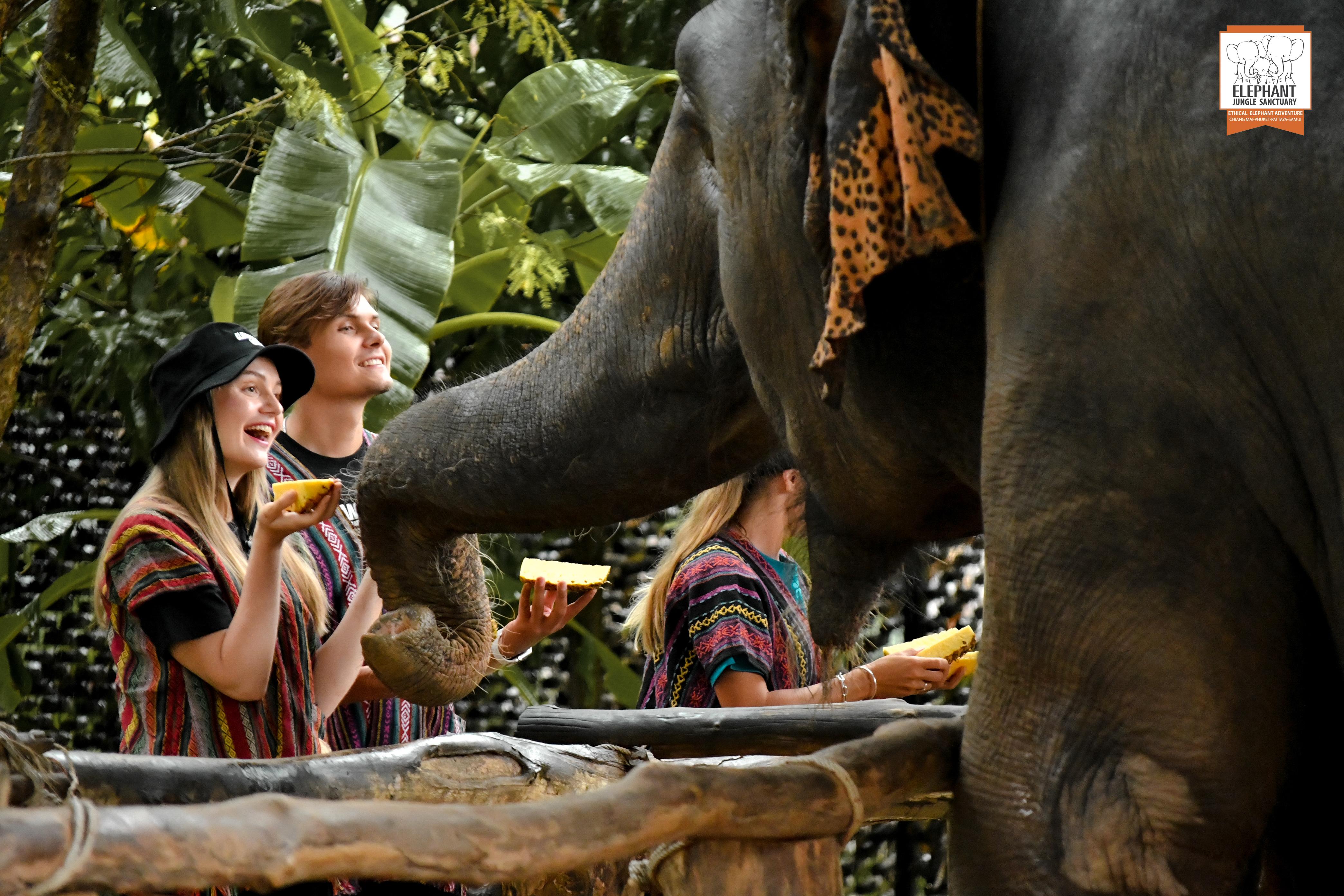
Interact with elephants while learning about their dietary needs and care requirements. This area allows for safe, close-up observation.
The central location for the ethical elephant bathing phuket activity. This area is designed to prioritize the animal's comfort while washing.
Learn about the sanctuary's mission and history in this shaded area. Staff share insights into local wildlife conservation efforts.
A scenic trail through the sanctuary grounds that lets visitors observe the elephants in their natural habitat. The path is roughly 500 meters long.
A designated space to relax between activities. Visitors can enjoy local refreshments here after their bathing experience.
These sanctuaries complement each other; visitors seeking an intimate educational encounter prefer Elephant Jungle Sanctuary, while those wanting expansive mud pits choose the park for their ethical elephant bathing phuket tour.
| Feature | Top pick Elephant Jungle Sanctuary | Green Elephant Sanctuary Park |
|---|---|---|
Interaction Philosophy |
Guided social interaction | Guided free-roaming observation |
Group Size |
Small groups encouraged | Medium to large groups |
On-site Facilities |
Restrooms and changing area | Large pools and showers |
Bathing Protocols |
Hand-washing in water | Mud spa and hose-down |
Feeding Methods |
Hand-feeding provided | Hand-feeding provided |
Ethical Standard |
High welfare focus | High welfare focus |
| See tickets → |
Verdict: Choose based on your preference for group size when booking ethical elephant bathing phuket tickets for your Thailand animal encounter.
Choose your ticket, select your date, and reserve in under two minutes. Secure checkout handled by our verified partner.
Instant confirmation by email, with a mobile voucher you can save offline. No printing, no queuing at a collection desk.
Arrive at the entrance, show your voucher on your phone, and walk in. Most tickets include priority or skip-the-line access.
Best time to go, insider tips, nearby landmarks, and the cancellation fine print — flip through to skim what matters to you.
How crowds, weather, and events shift across the year.
August offers warm weather perfect for outdoor bathing sessions. Mornings remain the most comfortable window for visitor interactions.
September to October can see increased rainfall. Visitors should plan for muddy paths during these months.
November to February provides cooler, drier conditions. This is the peak season for booking sanctuary tours.
March to May brings high heat. Visitors should stay hydrated and prioritize morning arrival times.
Small details that turn a good visit into a great one.
Plan to arrive between 09:00 and 12:00 to maximize activity. This window avoids the peak heat of the afternoon.
Wear secure sandals or water shoes. Natural ground at the sanctuary can be slippery near water sources.
Apply sunscreen before starting your ethical elephant bathing phuket tour. Even with tree cover, the tropical sun remains strong.
Use the provided shower facilities after your session. This ensures you are clean and comfortable for your return trip.
Listen to staff guidance during your ethical elephant bathing phuket experience. Their instructions prioritize the safety of both visitors and animals.
Non-bookable sights within a short walk — free to visit, easy to pair.
Small waterfall offering a scenic escape nearby. A popular spot for local nature walks.
A recreational space featuring water sports activities. Located in the Kathu district near the sanctuary.
Features beautiful landscaping and walking paths. Often quiet for morning strolls.
A large reservoir and popular jogging route. Provides panoramic views of the surrounding hills.
Flexible, no hidden fees.
Cancellations made within the operator's specified window are eligible for a refund. The 2,000 THB conservation fee covers your participation in the Feed & Shower experience.
Hand-picked options within walking distance — pick a district for vibe, or a specific hotel for convenience.
Practical lodging options within the district. Convenient for early morning departures.
High-quality lodging with shuttle services available. Ideal for those prioritizing comfort and ease.
Upscale amenities with full concierge services. Often coordinate sanctuary transport for guests.
Thailand's national symbol was once counted in the tens of thousands; today roughly 3,000 to 4,000 domesticated elephants remain in the country, and a large share of them work in tourism. That arithmetic explains why Elephant Jungle Sanctuary Phuket exists in its current form. Founded as part of a network of camps operating on a no-riding model, the Kathu site at 2/12 Moo 6 sits in the hills behind Patong, where rubber plantations give way to secondary jungle. Ethical elephant bathing phuket programmes grew out of a wider shift in Thai tourism that gathered force through the 2010s, when trekking saddles and circus-style shows began to lose their audience. The animals here are mostly retired. Many spent decades in logging until the 1989 national ban, then moved into street begging or ride camps. Their mahouts came with them; the mahout tradition in Thailand runs back centuries, and the relationship between a keeper and a single elephant is often lifelong. At the Kathu camp the mahouts remain the constant presence, supervising every interaction and reading the animals' posture long before a visitor notices anything at all. The site itself is deliberately plain. There is no amphitheatre, no painted backdrop. A feeding platform faces an open clearing. Below it, a shallow mud pool and a freshwater shower area occupy a natural dip in the terrain, fed by run-off from the surrounding slope. Elephants roll in mud for a reason that has nothing to do with tourism: the coating blocks ultraviolet radiation and deters biting insects across skin that can be 2.5 centimetres thick in places. What visitors join is a version of behaviour the animals would perform unprompted. Bathing sessions matter because they are legible. A visitor can see whether an elephant approaches or is driven, whether a chain is present, whether food is offered or withheld. That transparency has made the phuket elephant sanctuary tour a benchmark of sorts on the island, watched by welfare groups and imitated by newer camps. The conservation fee of 2,000 THB per person for the Feed & Shower experience funds veterinary care, food — an adult consumes up to 150 kilograms of vegetation daily — and land lease on the Kathu hillside. What remains contested is whether any contact model serves elephants best. Observation-only sanctuaries argue otherwise. Ethical elephant bathing phuket sits in the middle of that debate: better than the saddle, short of the wild, and honest about the difference.
"Elephants roll in mud for a reason that has nothing to do with tourism."
You should wear clothes suitable for getting wet and muddy. Remember to bring a change of clothes and a towel.
Photography is allowed during your time at the sanctuary. Please keep a respectful distance from the animals.
Cancellations made within the specified window are eligible for a refund. Contact the operator directly for details.
Yes, you can visit local sites like Kathu Waterfall or Bang Wad Dam after your sanctuary visit.